
Our certificate
ONCRA is an initiative of The Climate Cleanup Foundation and stands for Open Natural Carbon Removal Accounting. ONCRA is dedicated to removing CO2 from the atmosphere, also known as carbon dioxide removal (CDR). Our bamboo plantation in Uganda is one such natural removal method, harnessing the power of plants. In collaboration with ONCRA, we have calculated how much CO2 our bamboo plantation can remove from the atmosphere. For this verified amount, we can issue carbon removal certificates (also known as carbon credits).
More about ONCRA


How are our
carbon removal certificates calculated?
ONCRA employs a strict method for certifying our bamboo plantations. There is a lot of reporting on greenwashing these days, and ONCRA—like us, of course—wants to avoid any suggestion of it.
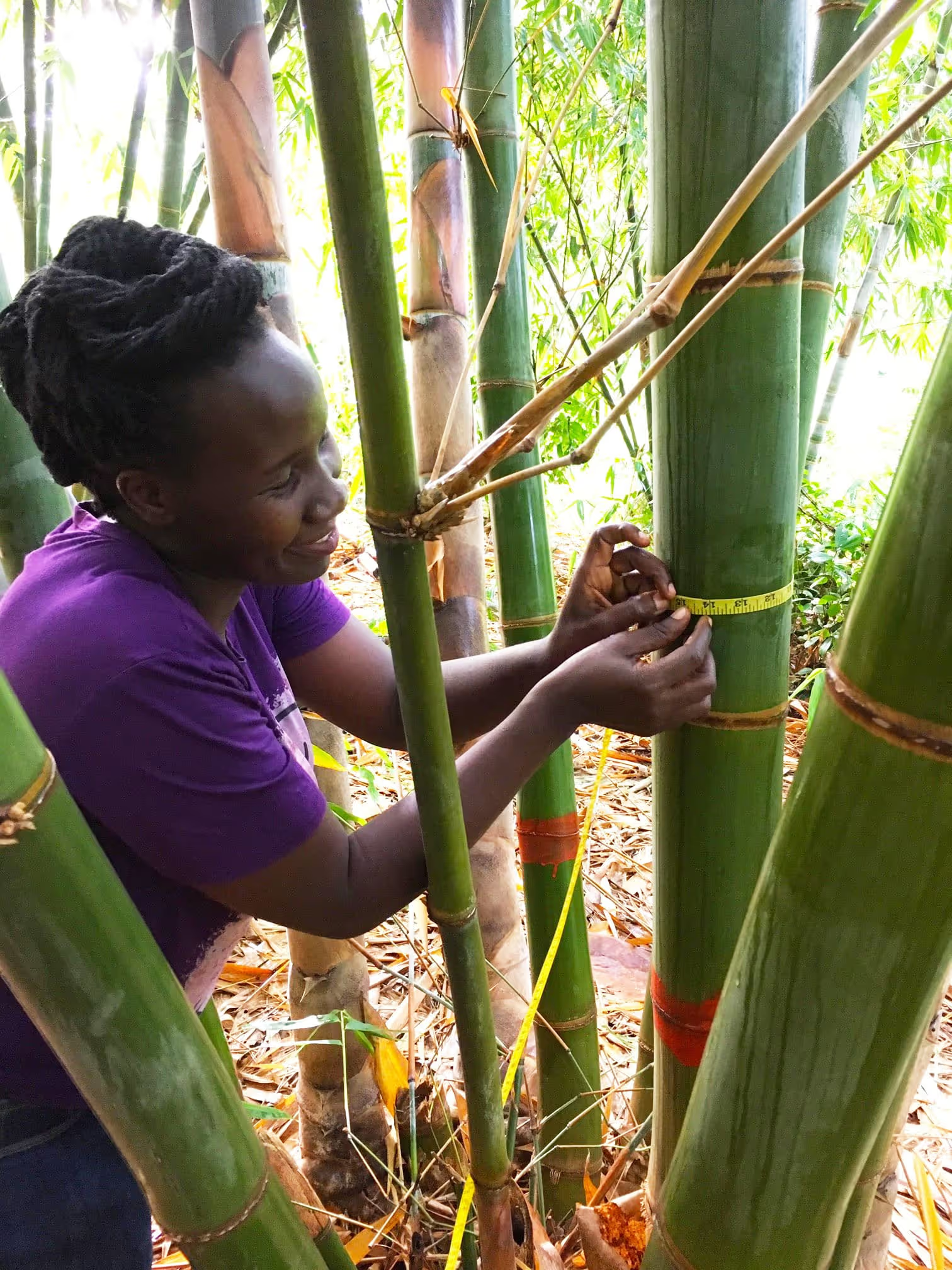
Bamboo quantity
First, we calculated how much bamboo can be grown on our plantation. We also made an estimate of the expected quantity of bamboo to be harvested.
Soil carbon storage
Bamboo stores CO2 in the plant itself, but also in the soil. We have therefore calculated the amount of CO2 present in the soil both before and after planting our bamboo. This allowed us to calculate how much CO2 our bamboo plants can store in the ground. Soil carbon storage is measured every 4 years, allowing ONCRA to monitor whether the actual storage aligns with our calculations.
Original state of the area
We also examined the state of the plantation before we began planting bamboo. We determined how much CO2 was already stored in the soil by the previous vegetation. From a systemic approach, the previous carbon storage potential must be subtracted from the storage potential of our bamboo plantation.
Harvesting bamboo
Bamboo is now growing on our plantation, but what happens to it? Once the bamboo plants reach maturity—which takes 4 to 5 years, depending on the species—annual harvesting can begin. This is one of the unique properties of bamboo compared to trees. A bamboo plant is long-lived; we can harvest the plants every year for up to 100 years. We can use the harvested bamboo to create bamboo products. We are only permitted to count the long-term storage of CO2, such as in construction materials. When the time comes, we will calculate how much CO2 remains stored in the bamboo product.
Local emissions
Nothing was left out of the certification process. For instance, we calculated the amount of CO2 emitted locally to maintain the plantation. This includes harvesting mature bamboo, transporting staff to and from the plantation, and general maintenance. We minimize the use of heavy agricultural machinery and employ only local residents for the project. We also handle the cultivation of the bamboo plants ourselves, with the help of the local community. This keeps emissions low while providing local employment.
Risk buffer
We have done everything possible to ensure we do not issue more credits than is realistically achievable. It is possible that a future harvest may underperform or that less bamboo grows than calculated. To account for this, a risk buffer has been factored in. ONCRA requires this to be taken into account to ensure that unforeseen circumstances are covered.
We are all
doing our part
We are very proud that our plantations in Uganda are certified for removing CO2 from the atmosphere. This is our way of contributing to the fight against climate change. Do you have any questions about our certification, or are you curious about what we can do for your carbon footprint?
Contact us